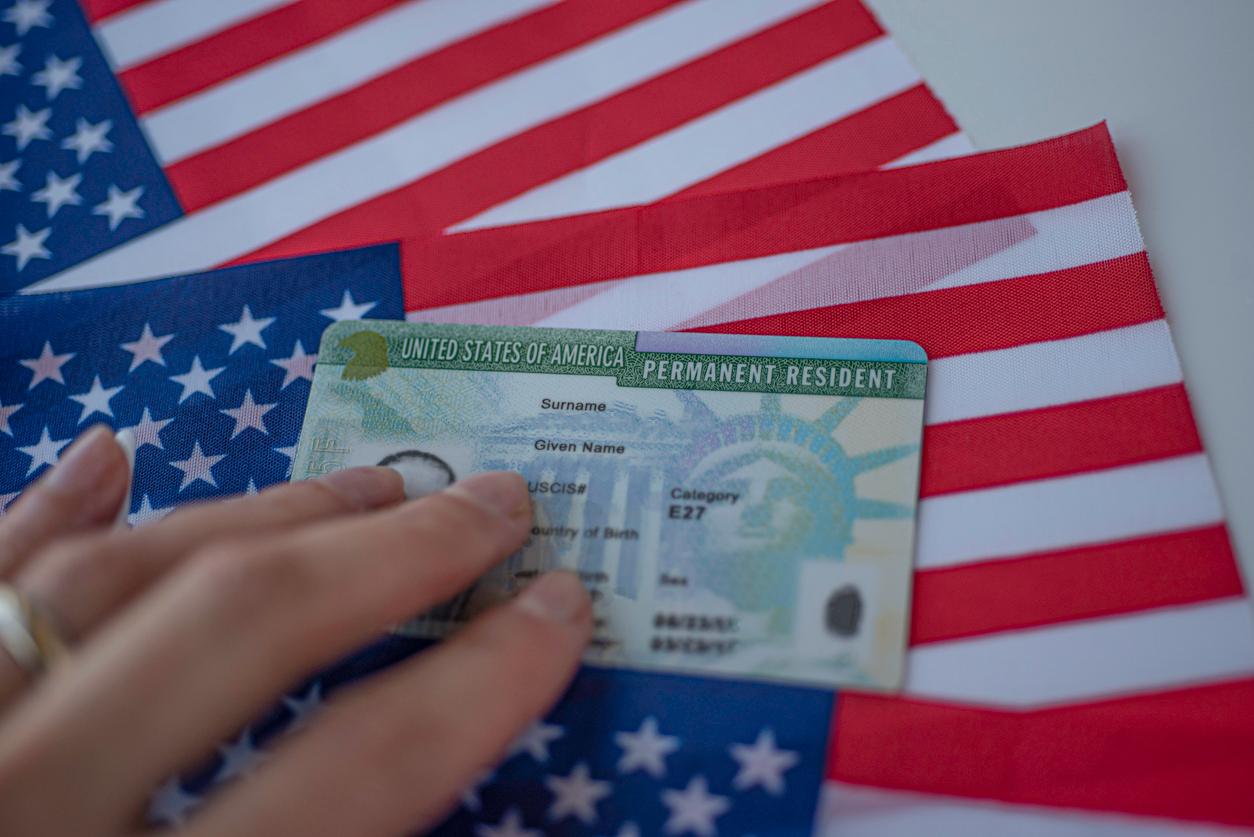
Telecommuting is the new normal. Many professionals, including H-1B visa holders, question how to temporarily continue their work from another country. It’s a perfectly good question, especially as the structure of the work day becomes more flexible. But H-1B workers should tread carefully and follow the rules imposed by U.S. immigration authorities.
If you’re wondering how remote work abroad could impact your H-1B status, this post will walk you through what USCIS has to say and what you should consider before packing your bags.
Does USCIS Allow Remote Work from Another Country?
The USCIS does not specifically prohibit working abroad. In actuality, assuming you depart the United States and keep working for your same U.S. employer, you will not get penalized by USCIS for just being overseas. But there are important caveats to bear in mind.
The H-1B visa binds you to a U.S. employer and a specific job. It doesn’t let you live and work freely outside the U.S. That means that if you live abroad for an extended period but continue to work remotely, you could end up raising new immigration questions when you return.
The short answer is yes, you can do this from abroad — but only if you don’t face any issues reentering the U.S. and your employment abroad still corresponds to your approved H-1B petition.
And if you are planning to take that remote work or extended travel abroad for the next year, we strongly suggest speaking with an experienced H-1B visa lawyer to help you avoid surprises at the border or with your future renewals. To find out what this means for your unique circumstances, you need to contact us at The Law Office of Olena Manilich to set up a consultation.
How Long Can You Stay Abroad While on an H-1B?
No USCIS rule says how long you may remain abroad, but the longer you are away, the riskier it becomes. If your time outside the U.S. stretches long — say, multiple months or more — you could encounter issues re-entering. The officers at the airport or consulate might question whether you are still in a valid employer-employee relationship or whether your current job still fits the description of the original H-1B terms.
And, as a bonus, being outside the U.S. for an extended period could also affect your eligibility for permanent residency (green card) later. If you’re working toward getting an EB-2 or EB-3 green card, taking long trips could slow your progress or prompt requests for more evidence.
If you must leave the country for longer than a month or two, please be sure to schedule a consultation with us. We’ll assist you in weighing the risks and in planning the best strategy to preserve your H-1B status.
What About Taxes and Payroll While Working Remotely?
Here is where things start to get tricky. Although USCIS does not object to occasional remote work overseas, the IRS may, as could foreign tax authorities. If you’re away for more than 183 days in a country, you may well become a tax resident of that country. That means you may also have to pay taxes in that country, and your U.S. employer might be subject to local compliance requirements.
Some countries require foreign companies to be registered as employers if they have remote workers there. Which creates a legal and financial headache for your employer. For instance, establishing legal payroll in the United Kingdom or Germany may entail thousands in legal expenses, local registration, and accounting.
As such, many U.S. companies restrict remote work abroad or ask employees to consult legal teams before they start working from another country. Also on our site, you can refer to our H-1B visa services for help regarding labor compliance and overseas projects.
Examples of Common Situations
Say you’re an H-1B software developer who wants to work from Europe, remotely, for three months to spend time with family. That’s generally possible — if you keep working for your U.S. employer and return before your visa or I-94 expires.
On the bright side, if you’re to relocate to Brazil for six months and your company has no presence there, things get tricky. Not only could tax problems occur, but the prolonged absence could lead to red flags when you attempt to come back to the U.S.
In another, if your U.S. employer has an office in another country, and you’re temporarily assigned to that office, the situation sounds a lot more like a company transfer. Depending on the structure of your placement, your visa status could change, and your employer might have to file new papers with USCIS.
The common denominator in all those scenarios is preparation. We recommend that you contact us before you make any international travel plans while on H-1B.
Protection of H-1B Status for Travel Instructions
Although the idea of working remotely from a different country may be simple, there are legal, tax, and immigration issues, risks that can all impact your H-1B status. The rules are not always clear-cut, and frequently depend on your particular job, employer, and travel itinerary.
If you’re considering taking a temporary job overseas — or if you’re already there and your employer is flummoxed about how to deal with your request — we can help. The Law Office of Olena Manilich routinely helps H-1B visa holders with international travel, compliance, and green card planning.
Book a consultation today and receive expert advice to safeguard your career and your visa.