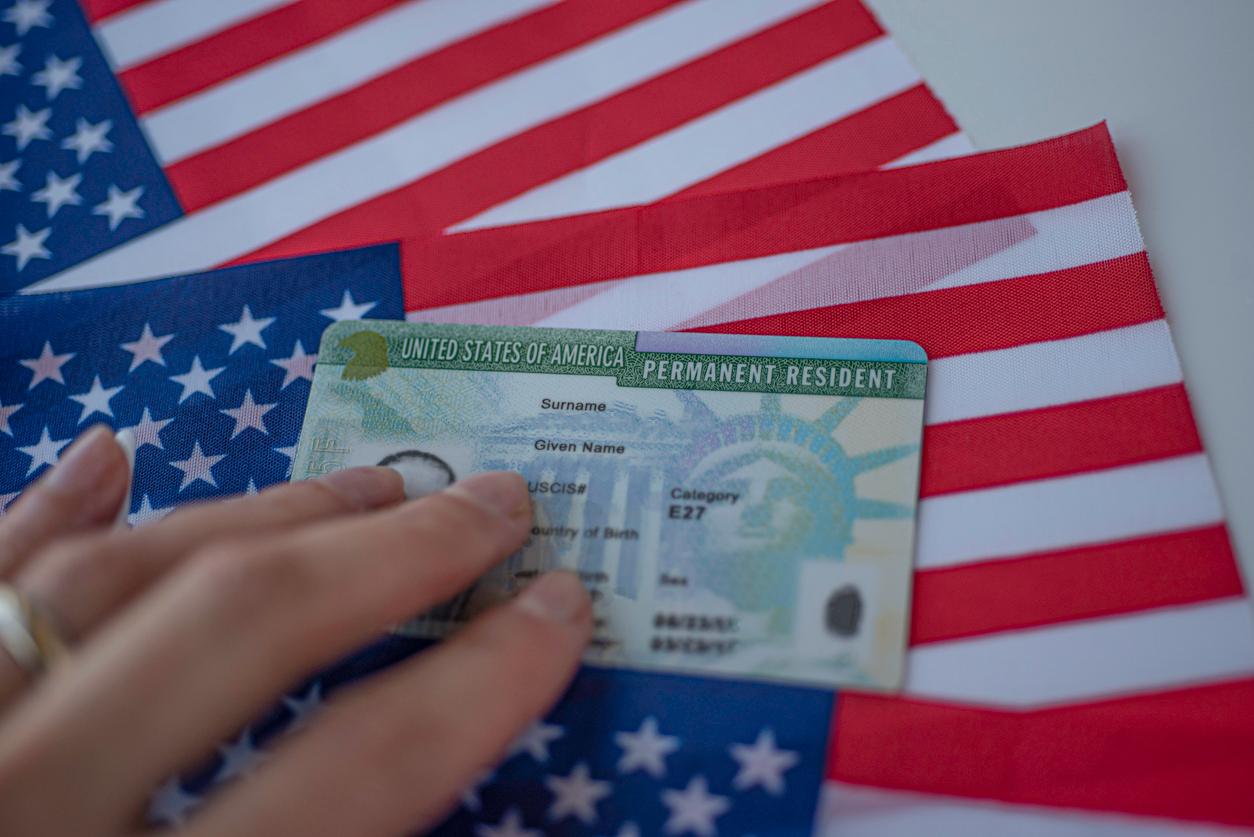
With 2025 underway, many of the immigrant and visa applicants are glued to government shutdown news. This news has meant genuine anxiety for people waiting on visa approvals. When the U.S. government grinds to a halt, many agencies do, too. That can have an impact on how fast immigration petitions are processed. Knowing what goes on during these shutdowns can help applicants prepare and reduce stress.
If you’re unsure how a government shutdown might affect your case, please contact us today. At The Law Office of Olena Manilich, we can help you be prepared.
How Government Shutdowns Affect Visa Processing
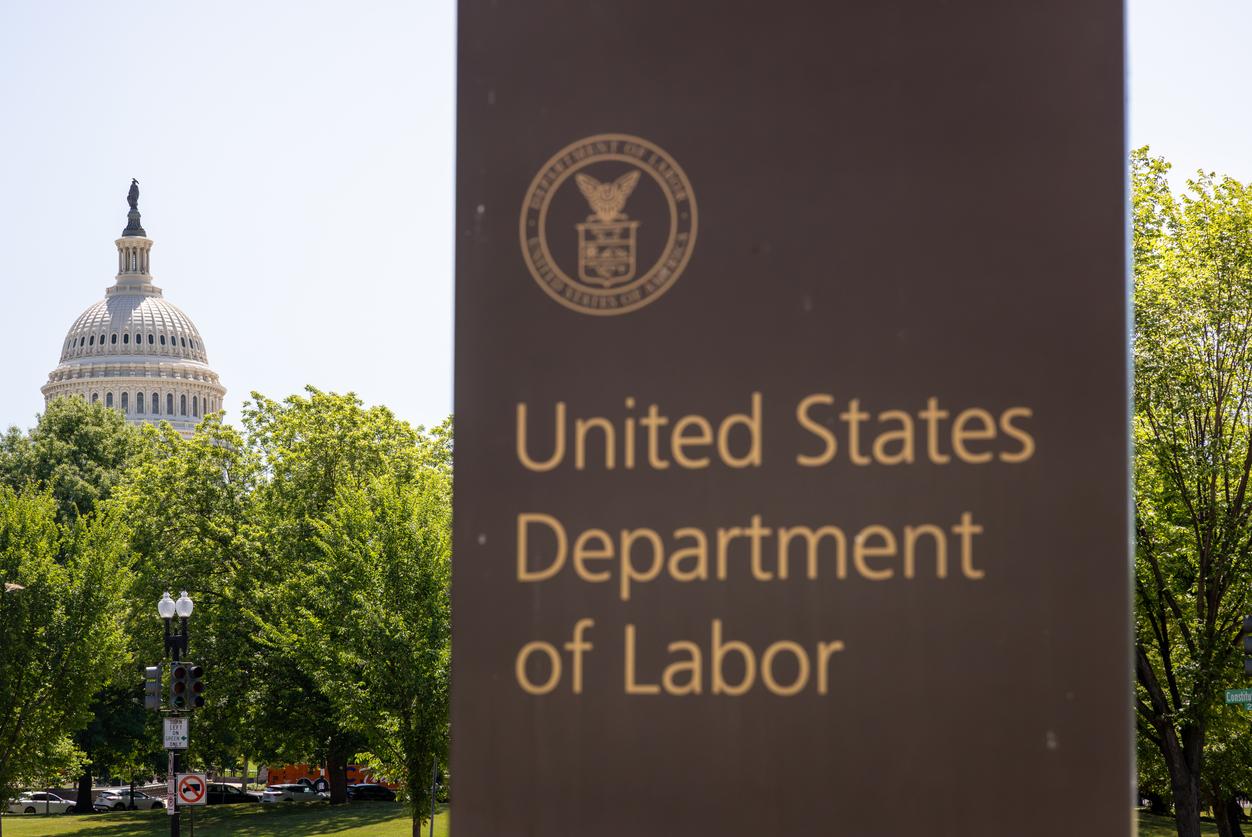
When the federal government closes, some agencies do not run or cut operations. The USCIS is still operating in most respects because it’s paid for by filing fees. But the DOL and DOS tend to delay or stop their work.
This includes applications that depend on the DOL. Such as H-1B petitions, which need to be accompanied by Labor Condition Applications, and those can get backlogged. Similarly, any visa that requires consular processing. Such as the E-2 investor visa or K-1 fiancé visa, may take more time. Since U.S. embassies and consulates have cut back on appointments during a shutdown.
In past shutdowns, visa applicants experienced delays that could last from a few days to several weeks. Even brief pauses can upend travel schedules or business investments. If you need timely visa processing, it’s wise to plan and get complete applications submitted early.
If you don’t know how to prepare, schedule a consultation with The Law Office of Olena Manilich to help with your application.
Common Visa Categories Most Affected
Employment-based and family-based visas are the ones that typically suffer most from shutdowns. The petitioners of H-1B face difficulty currently because the certification by the Department of Labor depends on the existence of such a programme in their geographical location.
Investors waiting for E-2 or EB-5 visas to be greenlighted may see business plans delayed. The J-1 and K-1 visa applicants spend more time on waiting lists. Applicants in the EB-2 NIW or EB-3 category could find themselves with longer I-140 processing times if labor certification processing were pushed back.
If your case is in one of these categories, getting ready in advance can really help. An immigration lawyer can assist you in exploring any backup plans that fit your situation. To determine which alternative is best for you, contact our office to schedule an appointment.
The Cost of Visa Delays
Visa delays frequently have financial implications. For example, an H-1B professional may lose between $8,000 and $15,000 in income if it takes two extra months for approval. Businesses could experience delayed projects and extra expenses due to the wait for foreign employees to begin.
For investors working within such E-2 or EB-5 programs, a few weeks of delay can mean lost business opportunities. Their waiting families back home for K-1 or J-1 visas could have added travel, housing costs from being separated.
These costs add up quickly. By thinking ahead with the benefit of a legal professional, there will be less of a chance that you may lose thousands. Since your immigration timeline would now be at risk. If you want to learn about your options and timelines, check our immigration services at The Law Office of Olena Manilich.
Conclusion
A government shutdown can derail immigration plans, but being prepared enables you to beat it. Whether you are seeking an E-2 visa, H-1B visa, or EB-3, being aware of what lies ahead this year can mitigate stress. At The Law Office of Olena Manilich, we monitor developments in immigration laws and policies, which enables us to make a client’s pursuit of their immigration goals more secure.
If you want to ensure your visa application doesn’t get stuck, schedule your consultation today to find out how we can help make sure the process goes smoothly.