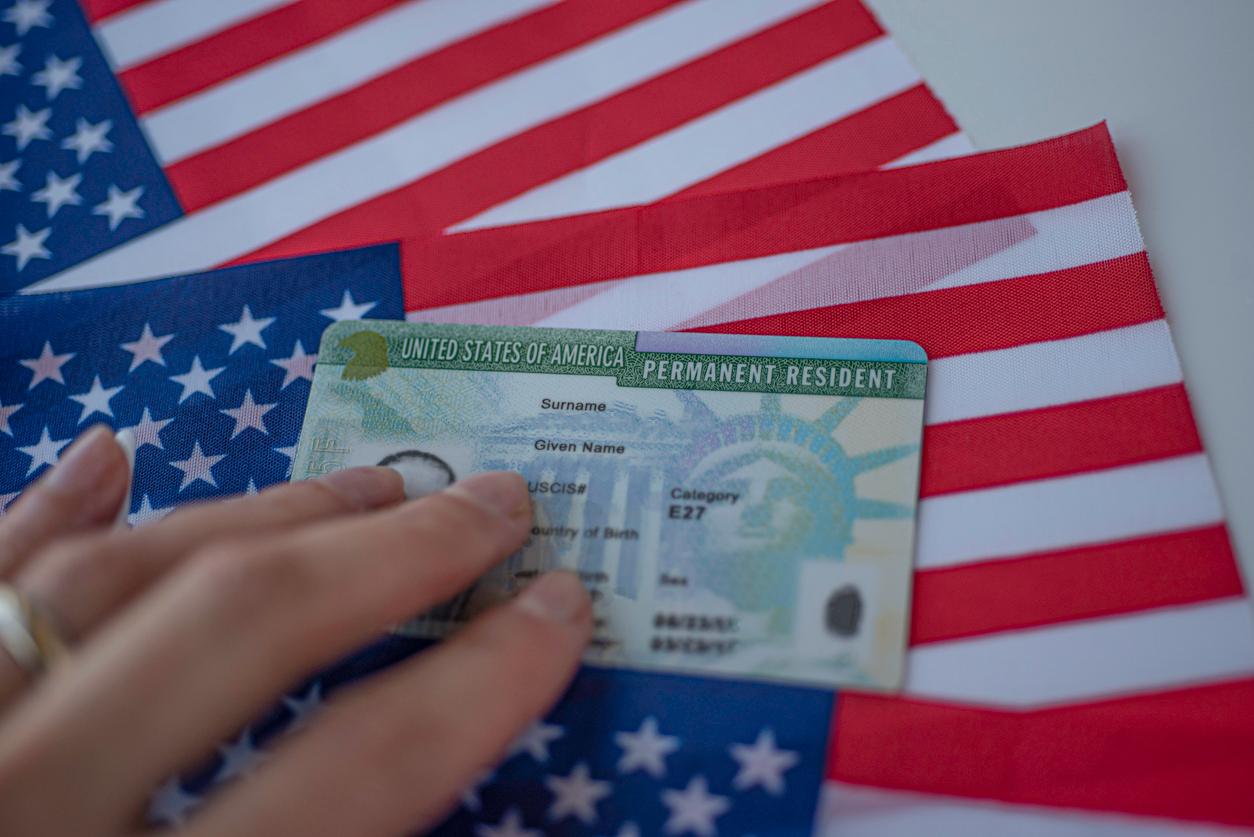
Each year, tens of thousands of high-skilled workers try to win an H-1B admission in the lottery system. But for too many promising talents, the supply is overrun by exceeds the limit. However, the lottery doesn’t have to be everyone’s only option. Certain employers fall under “cap-exempt” status, and you can work within the U.S. without having to worry about a random selection process.
Knowing how this operates will open a new way for your career in the United States. If you would like to investigate your eligibility, The Law Office of Olena Manilich is ready to help you review your possibilities.
What Does Cap Exempt Mean?
The U.S. government imposes what is known as a “cap” on the number of new H-1B visas that can be issued every year. Currently, that cap is 85,000 visas. However, some employers don’t comply with this restriction. This type of employer is cap-exempt. If one of these companies offers a job, you can apply for an H-1B visa at any point in the year.
If you are unsure if your job offer would be eligible, you can check our immigration lawyer services to step you through the criteria.
Who Qualifies as a Cap-Exempt Employer?
Cap-exempt employers typically are non-profit organizations affiliated with an institution of higher education. Also, options available with a non-profit entity related to or associated with an institution of higher education, or a nonprofit research organization.
For instance, universities such as Harvard or Stanford frequently sponsor overseas faculty and researchers on a cap-exempt basis. Also qualifying are organizations such as the National Institutes of Health because they serve a research mission.
If you hope to work in the U.S. but don’t want to stake your chances on a lottery, these employers may be the key. To double-check if your new employer is eligible, schedule a consultation with our immigration team.
How Much Does It Cost to File an H-1B with a Cap-Exempt Employer?
There is a difference in price between filing an H-1B petition with a cap-exempt employer and the traditional way. The fees for filing run from $1,710 to $6,460, depending on the size of the employer and the option to use premium processing.
For instance, the base filing fee is $460 with USCIS. The fee for the Fraud Prevention and Detection Fee is $500. Employers will cover some of the costs, but others may ask the employee to contribute.
Also, premium processing, an optional service for faster decision within 15 calendar days, is $2,805. If you are unsure what your case may cost, we can help and advise you of potential expenses.
Benefits of Working with a Cap-Exempt Employer
By selecting a cap-exempt employer, you are afforded flexibility and peace of mind. Instead of waiting for the next lottery season, you can apply at any time of the year. That means you can be career-ready in the U.S. sooner.
Also, if you work for a cap-exempt employer, you may move to a cap-subject employer at a later date under certain circumstances. That kind of flexibility makes it a savvy move for a lot of globe-trotting professionals.
If you would like to discuss how this approach might work for your career goals, please contact us for personalized guidance.
Conclusion
You don’t have to rely on the H-1B cap lottery to work in the United States. If you go cap-exempt on H-1B, you could have a career and not rely on the lottery. Real opportunities for talented professionals to work legally in the United States come from universities, nonprofit research centers, and government research entities.
If you would like to find out whether this option works for you, schedule a consultation with The Law Office of Olena Manilich. We are ready to assist you with H-1B petitions or other immigration matters. Take the next step in making your future in the United States a reality.