In 2025, many U.S. companies would still be wise to seek to acquire foreign talent. With tech startups and hospitals alike, businesses in all industries need global talent to fill important positions.
But bringing a foreign worker entails more than simply offering a job. It is a process that involves persistence, meticulous paperwork, and navigating the country’s constantly changing immigration laws.
Understanding the Main Sponsorship Options
Employers are most likely to sponsor foreign workers using temporary work visas or employment-based green cards. The H-1B visa is still the norm for professionals with specialized knowledge, particularly in areas such as IT, finance, engineering, and health care. Other visa categories include the L-1 visa for intracompany transferees, the O-1 visa for talented individuals, and the TN visa for Canadian and Mexican professionals.
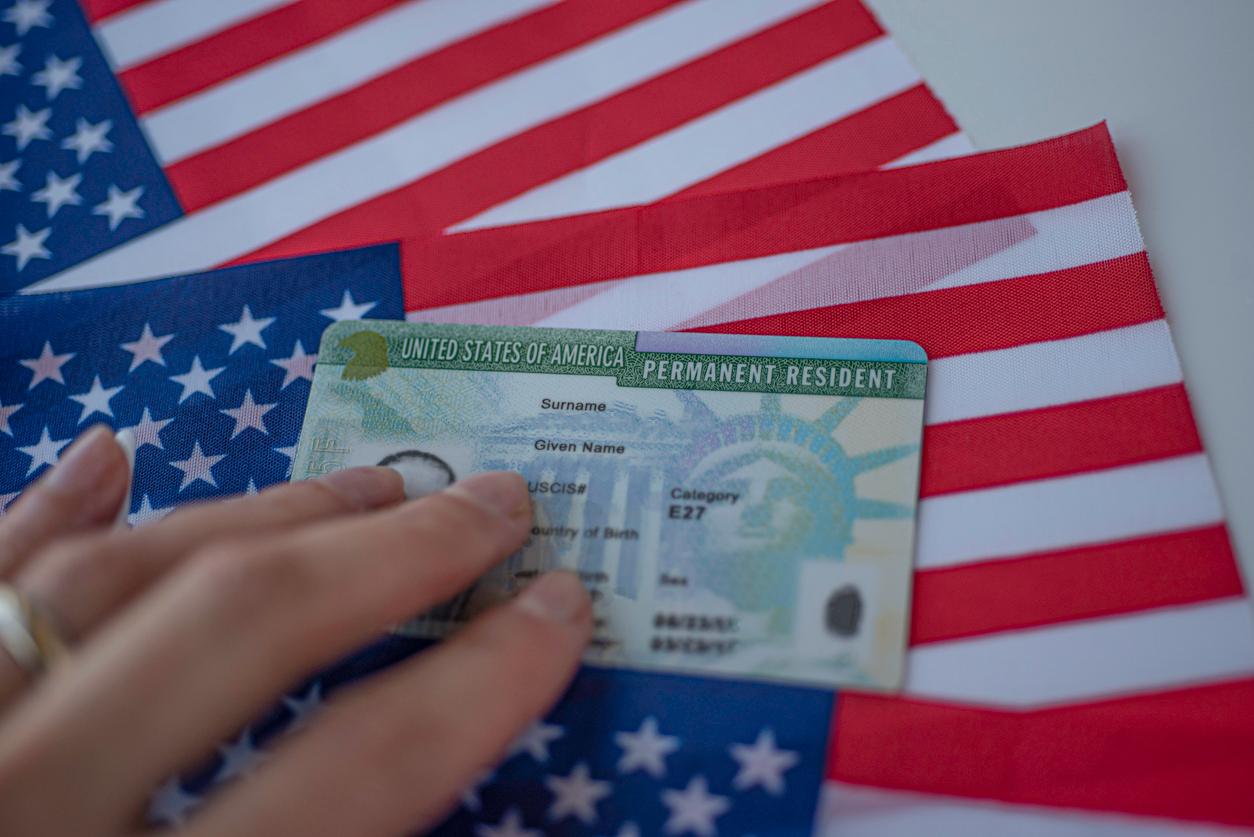
Permanent, green card sponsorship is also an option, allowing employees to live and work in the U.S. indefinitely and often leading to higher retention rates. Employment-based (EB) green cards are a multistep process that includes labor certification (PERM), which demonstrates that there are no qualified U.S. workers for the job.
If you’re not sure which visa your open position lines up with, reach out to us to receive straightforward advice according to your hiring needs.
Timeline and Compliance Requirements
Sponsoring a foreign worker is not just a matter of filing a few forms. Each type of visa has a different timeline and rules. For instance, H-1B sponsorship comes with a Labor Condition Application (LCA), prevailing wage requirements. As well as specific annual registration deadlines in March. Sponsoring someone for a green card means having a specific job and being approved by the Department of Labor.
Some employers are caught off guard when paperwork errors or timing issues disrupt the process. We had a biotech company that needed to hire a research scientist fast. Not only did we guide them through the O-1 visa process. Also, we filed the evidence proving the alien’s qualifications and filed a well-documented petition. That was approved within three weeks under premium processing.
If you are juggling tight hiring deadlines or are new to sponsoring, please view our work visa services for support that can help you minimise errors and prevent delays.
Estimated Costs of Sponsoring a Foreign Worker
There are legal and government filing fees associated with sponsoring a foreign worker. Government fees for H-1B visas typically amount to between $1,710 and more than $6,000, depending on company size and the rate of processing. Under the premium processing system, which adds $2,805 to the fee but slashes the review period to 15 calendar days. The filing fee goes to $2,820. For employment-based green cards, employers may also have to pay for PERM advertising, legal preparation, and USCIS filing fees, which can top $5,000.
Further, you should discuss legal fees, which would depend on the type of visa and how complicated the case may be. The vast majority of our employer clients budget between $4,000 and $8,000 per worker for full-service legal representation. This involves the preparation of the petition, the coordination of compliance filing support, and ongoing advising throughout.
The cost of sponsorship. For an accurate estimate on the cost of sponsorship for your industry and requirements, book a consultation with our team.
Why Employers Should Act Early in 2025
Visa caps, changing policy, and an increased demand for international talent make early planning more important than ever. For example, the H-1B lottery is held just once a year, and failure to make that window could push back the hiring process by a year. Requirements for other types of visas could also change if immigration laws do shift under a new administration.
At The Law Office of Olena Manilich, we help businesses build sponsorship plans to aid in their permanent US growth. We keep track of the latest in immigration policy and shape our advice according to your goals.
If you are ready to hire a foreign worker or grow your sponsorship program in 2025, start the right way – understand all of the options available to you by scheduling a consultation today.