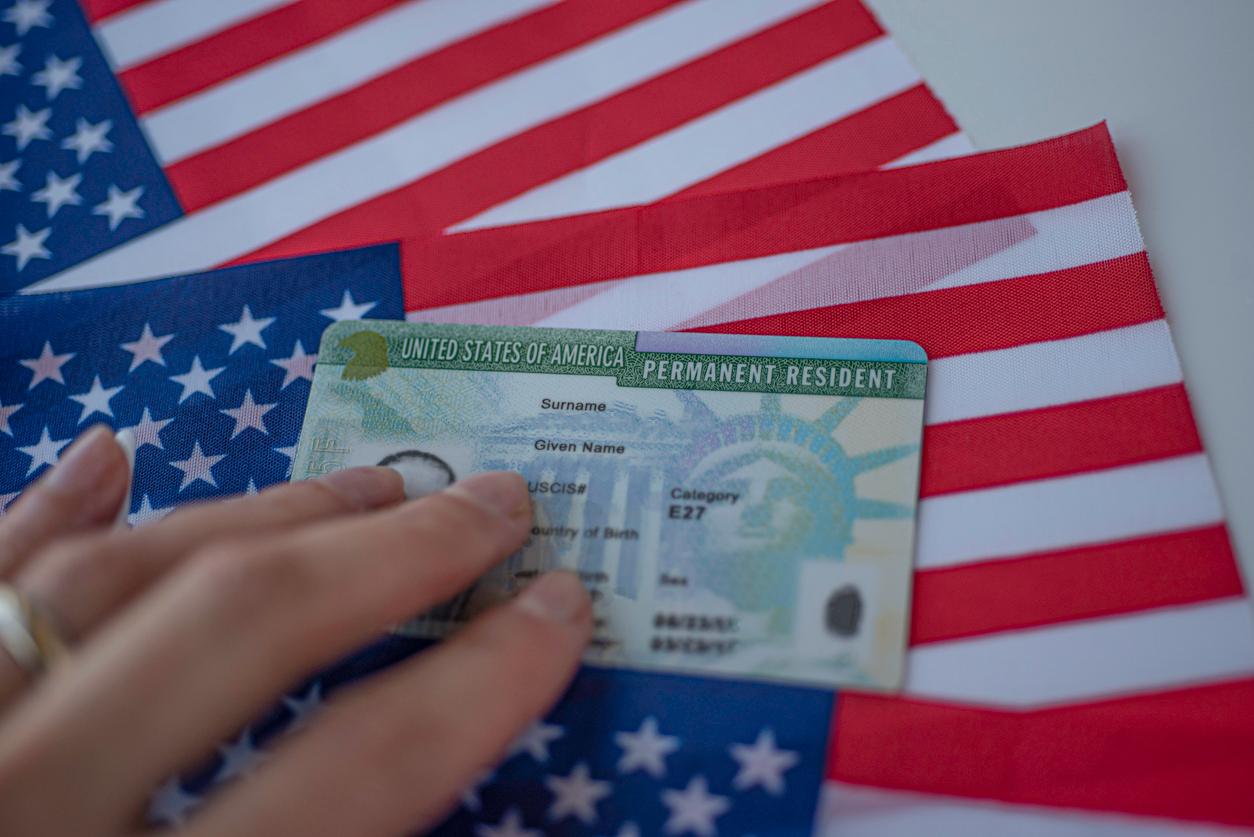
Tensions between the United States and China have long rippled through global finance, trade, and immigration. These changes may impact Chinese citizens seeking the EB-5 Immigrant Investor Visa by 2025. Although the EB-5 program is still available to Chinese investors, policy changes on the diplomatic or regulatory side may influence the processing of applications.
The Law Office of Olena Manilich regularly represents EB-5 investors from all over the world. Suppose you’re thinking about investing in the U.S. and becoming a permanent resident under the EB-5 program. You are a Chinese passport holder. In that case, there is no better time than to receive professional help to prepare your application. Schedule a consultation and learn how you can protect yourself in a changing world.
Visa Backlogs and Processing Delays
Applicants from China have traditionally dominated the EB-5 program. As a result, China’s demand has routinely exceeded the annual country cap. This had, in previous years, resulted in Chinese investors having to wait many months longer than applicants from other countries. While some promising modifications under the EB-5 Reform and Integrity Act have made processing better in some ways, the backlog for Chinese investors remains.
In 2025, the backlog is still a thing of the unknown. That means some Chinese investors could wait a few years for their visa interview or green card approval. It usually depends on the priority date of the applicant. Specifically about Chinese EB-5 applicants, the U.S. government has announced no new policy changes. Although, as diplomatic relations deteriorate, further delays or heightened vetting might occur.
We had a client from Shanghai who filed an EB-5 petition in 2023. Her I-526 petition has been approved, but her visa interview has been caught up in the backlog. In the meantime, we counseled her on legal options for addressing her stay and preserving her eligibility.
If you’re worried about long wait times, please reach out to The Law Office of Olena Manilich to discuss alternatives such as concurrent filing, if you are eligible.
Increased Scrutiny and Source of Funds Documentation
Under the EB-5 program, every investor must demonstrate that their investment dollars are derived from legitimate sources. The United States government has been scrutinizing Chinese nationals more closely in recent years. Especially when it comes to funding. Where money has been the result of complex financial transactions or from business overseas.
We anticipate a continued close look at Chinese EB-5 applicants by USCIS and the Department of State through most of 2025. The documents should explain clearly how the investor made or acquired the money, with translated bank records, tax returns, contracts, and other proof. If your documents leave questions or appear to be incomplete, your case may prompt a Request for Evidence (RFE) or be denied.
If your investment involves family contributions, sale of assets, or funds coming from abroad, review our EB-5 visa services to ensure your documentation will satisfy U.S. requirements.
Cost of EB-5 Investment and Legal Support
The minimum amount an investor must invest with the EB-5 program remains $800,000 for projects situated in a Targeted Employment Area and standard projects of $1,050,000. These funds must be fully invested in a qualifying U.S. business that will generate a minimum of ten full-time jobs for American workers.
The EB-5 applicant should budget for legal fees, regional center administrative costs, and government filing charges. Total legal fees in most cases to prepare and file an EB-5 petition amount to $15,000–$25,000, depending on the nature of the case. Government filing charges for the I-526E immigrant petition are $3,675, and additional costs will apply during consular processing or adjusstausuclus status.
We supported a family from Beijing to invest $800,000 in a TEA project in Texas through a USCIS-approved regional center. We handled the full petition, presented the source-of-funds documentation, and coordinated with the investment firm. The client is now waiting for visa availability and will move once their green card is authorized.
If you’re just starting the EB-5 process, book a consultation, and we’ll explain more about the timeline, costs, and risks, especially given recent U.S.–China changes.
Staying Flexible as Policies Shift
There are no new laws directed at Chinese EB-5 applicants based on their nationality in 2025. However, shifting political dynamics between the U.S. and China could influence how officers adjudicate petitions. There may be an increase in visa issuance delays or rescheduling of interviews by U.S. consulates overseas. Therefore, we suggest getting a filing in as soon as possible with all supporting information to minimize the risk.
We want to help you manage these changing dynamics. It is a process that requires time, but having the right legal guidance can make all the difference. Contact us at The Law Office of Olena Manilich today so that you can see what can be done to mitigate risk and continue on confidently.