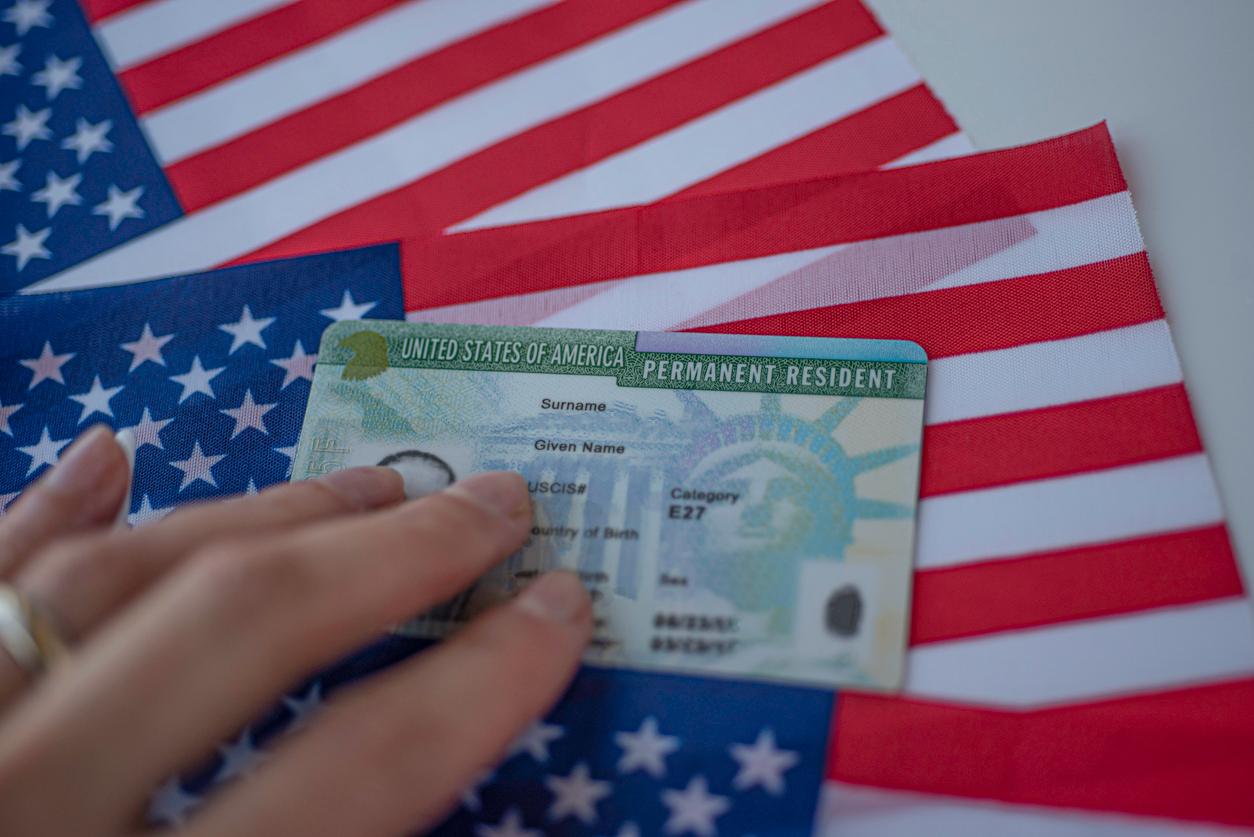
Over the Memorial Day weekend, immigration considerations changed unexpectedly when USCIS released a new policy memorandum. The directive calls for officers to view Adjustment of Status applications as a form of discretionary relief reserved for rare circumstances. It indicates that applicants should be encouraged to process their permanent residency through a US consulate abroad instead.
This is a drastic shift from decades of consistent practice in which foreign nationals lawfully residing in the US routinely finished their green card processes here as well.
The “Economic Benefit” and National Interest Exception
After industries and legal advocates responded immediately, agency spokespersons promptly issued a key clarification on the scope of the new directive. According to the administration, it is unlikely that this change in policy would impact immigrants who are of clear economic benefit or otherwise further national interests. As such, the applicants in these critical categories are unlikely to have their paths modified and should not be required to leave the United States.
As a result, this guidance appears to place law-abiding professionals who contribute meaningfully to the U.S. economy under protected status. If you are looking into permanent residency in the US, please consider our immigration visa services to help secure your journey.
How the Rule Affects Different Visa Holders
Although this provides some comfort to corporate professionals, the new policy classifies and assigns risk levels to non-immigrant visa categories. For example, holders of dual-intent visas are in a better position since federal law explicitly allows them to apply for permanent residency. While they remain on their temporary work visa.
Conversely, visa applicants for student visitors and tourists are under scrutiny by adjudicators, who will now be looking into local intent.
Moreover, the bar for approval has effectively changed from probing reasons to reject an application in order to approve one. If you need help with your case, schedule your consultation with us. We will help with time-consuming paperwork and related matters.
Real-World Examples and Expected Expenses
Having a clearer grasp of this policy can help your family prepare for months to come. Let’s take the example of an experienced professional who gets served with a complicated Request for Evidence. Demanding comprehensive proof of tax compliance and academic accomplishments. Responding to these requests does not incur new agency filing fees, but gathering the firm documents drives up total legal expenses.
A regular green card adjustment that used to cost a few thousand dollars in standard legal fees now comes with $2,000- $ 5,000 in unpredictable costs before the scrutiny process. If you are facing complicated RFEs, please reach out today, and we will break down our upfront fees.
Protecting Your Status in a Changing Environment
To work through these fluid federal directives takes practice and patience. Applicants should assume that the individual field offices and officers will interpret this general discretionary guidance differently. This is why they need to build as positive a record of their contribution to American society from day one. It is useful to ensure that you are prepared for any sudden immigration inquiries. These dynamic policies generate short-term obstacles. Schedule your consultation today. We know the best approach to long-term stability in your future is via a solid legal footing.