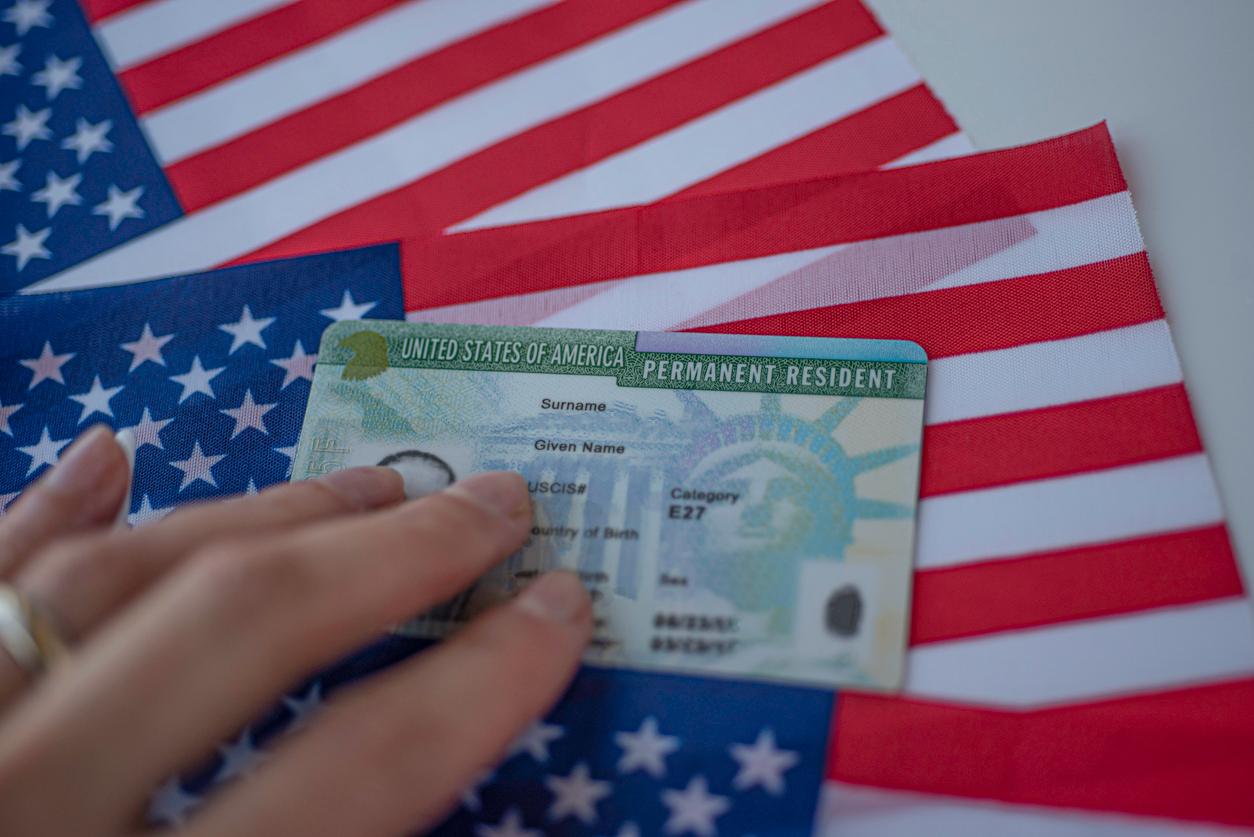
On January 21, 2026, the U.S. State Department announced that it would put the brakes on immigrant visa processing for citizens of 75 nationalities. This directive will impact applicants for family-based and employment-based Green Cards. Applicants who had made plans to become permanent residents from abroad.
Officials say the pause will give them time to conduct a full review of such public charge screening procedures. But the delay may affect tens of thousands of applicants.
If you were already planning to immigrate, it’s important to know what this pause means for you and what options are available. At The Law Office of Olena Manilich, we assist individuals in maneuvering through policy changes. Feel free to contact us anytime for a personal consultation with an immigration attorney in New York City.
What the Immigrant Visa Pause Means for Applicants
On January 21, 2026, embassies in the US ceased issuing immigrant visas for the citizens of 75 listed countries. While the Department of State and Department of Homeland Security studied how public charge considerations affect a visa’s eligibility.
It allows applicants to register and show up for Diversity Visa interviews as scheduled. But consular officers will not hand over immigrant visas until the pause ends or the policy changes. If you have already received an immigrant visa that was printed and has not expired, it will remain valid. But if your visa was not yet issued at the policy’s effective date, you may face delays. Check our immigration services and find what can work for your situation.
Who Is Affected and Why This Matters
The pause applies only to immigrant visas processed outside the United States. This includes family-based, employment-based, and other categories of permanent residency cases where consular processing is needed. Temporary or non-immigrant visas — for example, if you are a student, here on a work visa, or visiting — are not included in this pause.
If, for instance, a U.S. citizen had petitioned for a spouse or fiancé(e) living in one of the affected countries, the individual can still go to an interview. But will not be able to receive an immigrant visa until the pause is lifted or new guidance is issued. Likewise, a foreign worker whose job-based petition has been approved can now experience an infinite delay between approval and the issuance of an immigrant visa.
The resulting delays can cause hardships both emotionally and financially. Particularly for families separated by miles or workers who were planning to start their lives in the US. If this class of case applies to you, you should schedule your consultation with us to understand your own timeline and strategies.
Why the Government Issued the Pause
Officials justified the pause as a part of a review of ways that immigrant visa applicants in the United States may use public benefits. The “public charge” doctrine has been part of immigration law for decades. It enables consular officers and immigration authorities to deny visas to many immigrants likely to depend on government aid.
Under the new review, officials will re-evaluate screening criteria that take age, health, English proficiency, education, and financial resources into account. This criteria determine whether immigration applicants are capable of supporting themselves without becoming a burden on the public.
The government frames this as a protective measure. It means we have this expansive halt on many Green Card issuances that were never about the use of public benefits. The policy change is one of a number of immigration actions that include changes to work visa programs, as well as broadened vetting criteria for nonimmigrants.
Alternatives to Consular Processing
Despite the ban on immigrant visas, several immigration routes could potentially lead to lawful status in the United States. The adjustment of status for those already present in the US under non-immigrant visas (as students, workers, or dependents) may still be available without consular processing.
Certain work visa categories, such as H-1B, L-1, O-1, and others, may provide an applicant with temporary entry and the right to work in the US, while staying on the sidelines for further action. Student visas and exchange visitor visas continue to support legitimate educational or cultural exchange programs.
When family separation causes immediate hardship, some individuals may be eligible for humanitarian parole or other temporary relief. Contact us today. Every single pathway comes with its own set of requirements, deadlines, and eligibility criteria, so it is crucial to have legal advice.
Why You Should Seek Legal Guidance Now
Waiting is a dangerous game when immigration policies can suddenly change and imperil future options. Our knowledgeable immigration attorneys here at The Law Office of Olena Manilich. We will review your matter and clarify how this pause affects you and what steps are best for you to take.
If you or someone you know is impacted by the immigrant visa suspension, you don’t need to go through it alone. Schedule your consultation with us to talk us through your situation, review your options, and provide you with peace of mind.