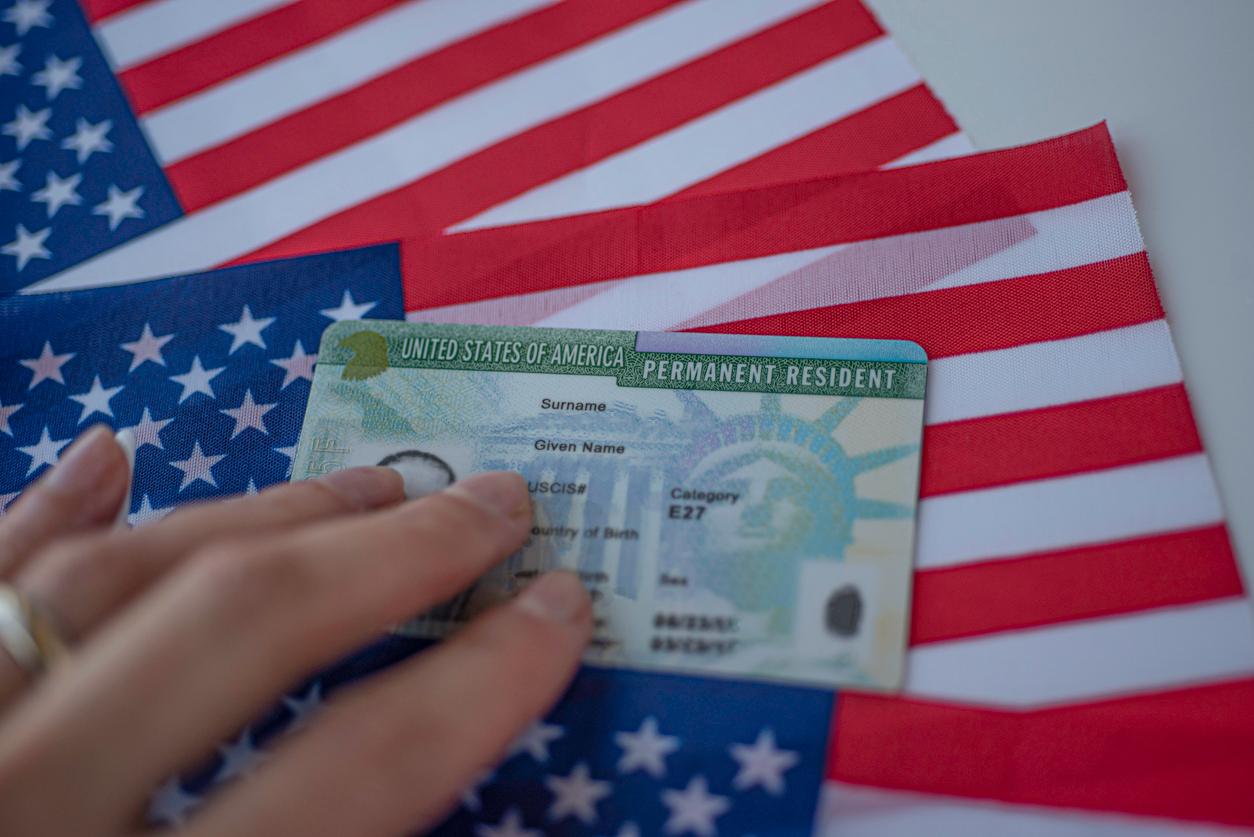
Traveling to the United States on a B-2 tourist visa can be a thrilling experience. Whether sightseeing or visiting family, your stay will be temporary. B-2 visa holders typically get six months in the U.S. in 2025. But overstaying can have serious and long-term consequences.
Understanding Overstay And Its Implications
You’ve overstayed if you let your I-94 expire and you stay in the U.S. past that date. Even if the visa stamp in your passport is still good, the most important date for you is the one on your I-94. Staying a few days beyond your visa expiration might not get you in trouble, but long overstays can result in real legal trouble.
If you overstay for more than 180 days and up to one year, and voluntarily depart, you will face a three-year bar to returning. If you’ve overstayed for a year or more, the bar stretches to ten years. You therefore cannot travel back to the U.S. for that period, even with a new visa.
We had a client whose New York trip to visit her daughter ended up lasting eight months, rather than six months. She didn’t know her I-94 had expired. A year later, when she tried to apply for a new visa, she said the embassy refused it. We assisted her in filing a request to lift the bar and, later, guided her through a green card petition based on a family relationship. Her case required time and meticulous preparation, but we discovered a legal way.
If you are encountering a similar problem, reach out to us before you decide to leave the country or apply for another visa.
Fixing an Overstay in the U.S.
A few people may be eligible to adjust their status while they are in the U.S., even if they have overstayed. This is typically applicable if you are a spouse or child over 21 of a U.S. citizen filing a petition for you. If that is the case, you might be eligible to apply for a green card without leaving the country. But it needs to be handled carefully, especially if other offenses are at play.
Legal fees for assisting someone to apply for a green card after an overstay on a B-2 can often range between $3,000 and $6,000, depending upon the circumstances. Current government filing fees amount to about $1,760. Those numbers could tick up by the end of 2025, so now is better than later when it comes to taking action.
Each case is different. If you are contemplating marriage, filing for asylum, or changing from one type of visa to another, the timing and the specifics matter. We’re here to help you sort through which plan is your best option. Try our immigration lawyer services to get started.
Leaving the U.S. After an Overstay
If you choose to depart the U.S. having overstayed, doing so can generate penalties. As previously addressed, a lengthy overstay can lead to a multi-year ban. Even if you do not face a bar, the consulate may regard the overstay as evidence that you did not follow the rules, and that can factor into future visa decisions.
We assisted a Brazilian business visitor who overstayed his stay by five months. He made his way back home, only to receive a denial for a visa shortly after. We filed a legal brief and assisted him in reapplying with better documentation and a letter of support. He was later granted a waiver and allowed to return to the United States for a trade event.
Before you purchase your flight or apply for another visa, seek counsel from an immigration lawyer. It might not be so easy to come back if you leave without a plan. Schedule a consultation with us, and we will discuss your alternatives with you.
Moving Forward After a B-2 Overstay
Overstaying a B-2 visa can be challenging, but it doesn’t mean your future in the U.S. is over. You can fix this with the right legal advice and move to the next phase. Whether that’s a petition for a green card, a request for a waiver, or pursuing alternative visa options, we are here to help.
At The Law Office of Olena Manilich, we closely collaborate with clients, whether individuals or families, who have visa issues and match them with viable long-term solutions. If you have overstayed your B-2 visa — or if you fear that you will overstay — don’t wait until you have no other options.
Contact us now to discuss your case. We’ll lead you with straightforward answers and genuine outcomes.