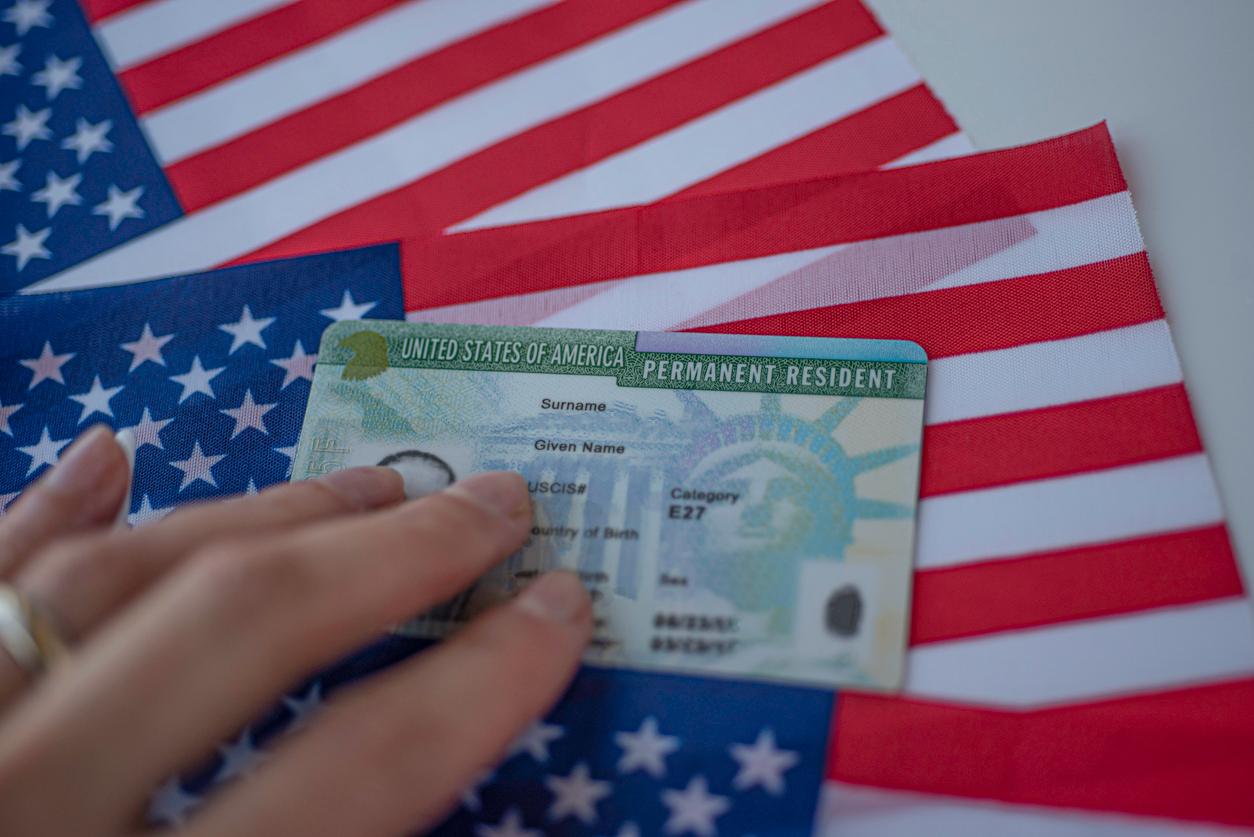
USCIS changed the rules for family-based green card sponsors last week. The agency released a new edition of Form I-864. It took effect on August 31, 2026. There is no grace period. Officers now reject the old form on sight. The new form adds something sponsors have never faced before. It authorizes USCIS to pull consumer reports on the person signing it. That includes credit history, not just income and tax records. If you plan to sponsor a spouse, parent, or sibling, this change reaches you directly.
What USCIS Actually Added
Form I-864, the Affidavit of Support, proves a sponsor can financially support their relative. Sponsors have always submitted tax returns and pay stubs. Now they also sign away access to their credit file. USCIS can request debt levels, payment history, and collection accounts. The agency has not said which numbers will matter most in a review.
USCIS has not set a minimum credit score. It has not published a scoring formula either. That silence leaves sponsors guessing at exactly what counts against them. Families sponsoring a spouse through our green card lawyer services are already asking us this question. We don’t have a perfect answer yet, and neither does USCIS.
Who Feels This First
Joint sponsors face the sharpest exposure. A joint sponsor steps in when the petitioner’s income falls short of federal guidelines. Their credit file now enters the record too, not just their earnings. Spouses filing marriage-based petitions through our marriage visa lawyer team should expect this scrutiny on both signers.
A frozen credit file creates its own problem. USCIS may need that data to finish its review. A freeze can block the agency from pulling it in time. Sponsors should check their freeze status now, before an officer requests it. Waiting until a request arrives risks delaying the whole case.
Household members backing a sponsor’s income face this too. Many sponsors don’t earn enough on their own to meet the guidelines. A relative in the same home can add their income through Form I-864A. That relative’s financial history may now draw the same attention.
The Real Risk Here Isn’t the Credit Check Itself
Old debt or a rough credit year doesn’t disqualify most sponsors outright. What actually raises risk is timing. A case that stalls while USCIS chases missing consumer-report data can sit for months. A joint sponsor who ignores a freeze notice can cost the applicant their place in line. Small, fixable problems become expensive delays when nobody catches them early.
That’s when experienced counsel matters most. We review a sponsor’s full financial picture before filing, not after USCIS flags it. We know which financial gaps and paperwork mistakes a family alone often misses. Our immigration lawyer team builds this credit-check requirement into every sponsorship case we handle.
Talk to Us Before You File
USCIS may update its guidance on this credit check again soon. It has done so before with little notice. Filing the affidavit correctly the first time matters more now than ever. A rejected or delayed petition can push a family’s timeline back by months.
If you’re sponsoring a relative for a green card, don’t file the new Form I-864 alone. The Law Office of Olena Manilich knows what USCIS looks for now. Book a consultation with our team before you submit anything. We’ll walk through your finances, flag anything USCIS might question, and file with confidence.