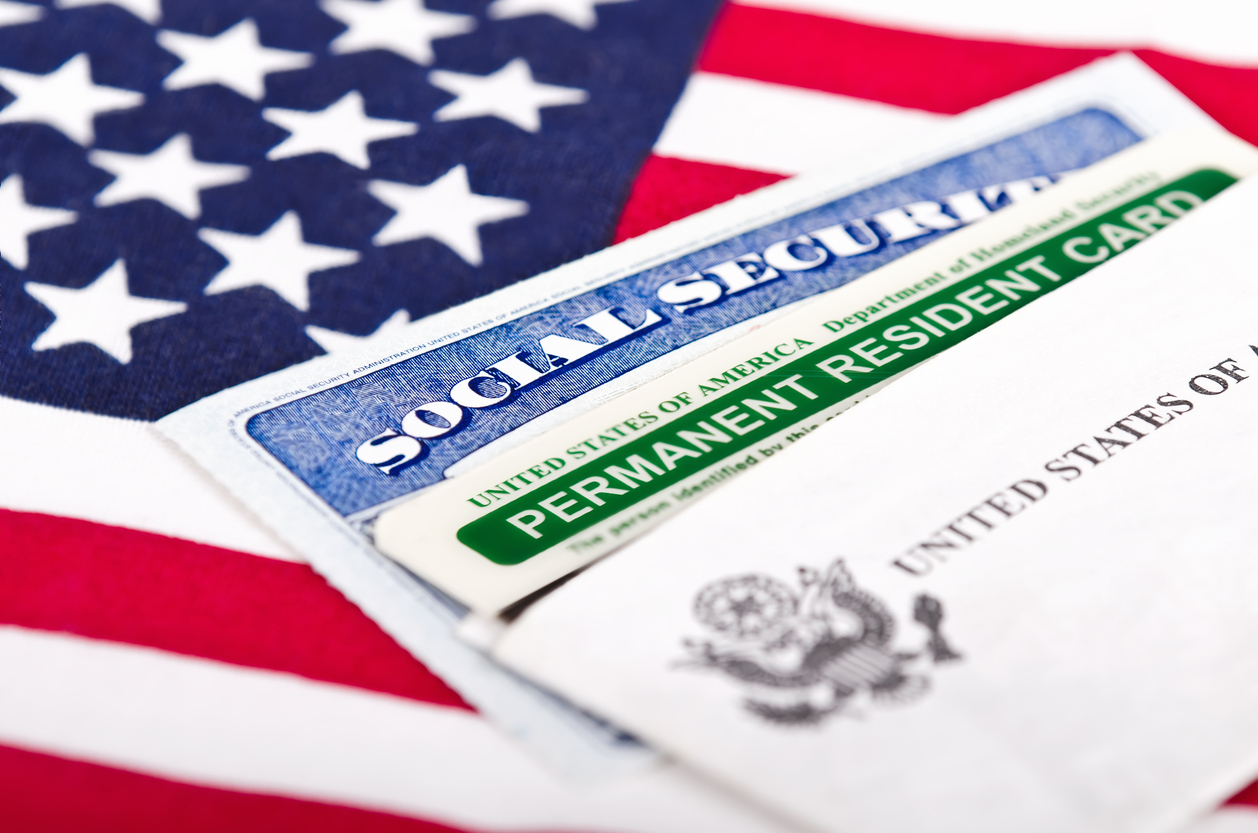
If you applied for U.S. citizenship this year and your case seems frozen, you’re not imagining it. USCIS citizenship delays have become serious enough that members of Congress are now demanding answers.
Lawmakers are pressing U.S. Citizenship and Immigration Services (USCIS) to explain why naturalization cases are moving so slowly, why more applications are being denied, and why some oath ceremonies have been canceled. All of this is happening months after a federal court struck down an earlier freeze on processing.
Here’s what’s going on, how to tell whether your own case is actually delayed, and what you can do about it.
Lawmakers Ask USCIS to Explain Naturalization Delays
On November 20, 2026, members of Maryland’s congressional delegation, led by Senators Chris Van Hollen and Angela Alsobrooks and joined by Representative April McClain Delaney and others, sent a letter to USCIS Director Joseph Edlow about stalled citizenship cases at the agency’s Baltimore field office. The Maryland Daily Record reported on the letter on November 23.
The letter cites USCIS data showing that the number of naturalization cases decided nationwide fell by 73% over the past year, the lowest level in a decade.
In Baltimore, the numbers are even sharper:
- Longer waits: Processing times nearly doubled, from about 8 months to 15–20 months, between June and October 2026.
- More denials: The denial rate jumped from 7% to 35% in a single quarter.
- Fewer decisions: The office decided 391 cases in the third quarter of fiscal year 2026, down from 1,178 the quarter before.
Lawmakers also pointed to canceled oath ceremonies. That means some people who already passed their interview and citizenship test are still waiting for the final step.
The letter asks USCIS to act quickly to speed up decisions, look into the rise in denials, and make sure approved applicants are scheduled for their oath ceremonies without delay.
The letter focuses on Baltimore, but the 73% drop in decisions is a national figure. Applicants in New York and across the country may be feeling the same slowdown.
Didn’t a Court Already End the Citizenship Processing Freeze?
Yes. Starting in late 2025, USCIS put a hold on many immigration applications, including naturalization, filed by people from countries covered by the administration’s travel ban. That list eventually grew to 39 countries.
On June 5, 2026, a federal court in Rhode Island ruled in Dorcas International Institute of Rhode Island v. USCIS that the hold was unlawful and vacated it.
According to the lawmakers, that ruling means USCIS must return to normal processing and cannot hold applications based on nationality. Yet constituents are still reporting cases that haven’t moved.
At the same time, USCIS is reviewing applicants more strictly. On November 4, 2026, the agency issued new guidance on how officers evaluate “good moral character,” one of the core requirements for citizenship. In practice, that can mean more questions at the interview, more requests for documents, and less room for an incomplete application.
Is Your Citizenship Application Actually Delayed?
A slow case is not always a stuck case. Before you take action, check two things:
- Your case status. Sign in to your USCIS online account, or enter the receipt number from your Form I-797C notice into Case Status Online.
- Your N-400 processing time. On the USCIS processing times page, select Form N-400 and the field office handling your case. This shows how long most cases at that office currently take.
If your case is still within the posted time frame, the best move is usually to wait and make sure USCIS can reach you. If your citizenship application is pending well beyond that time frame, you have several options.
What to Do If Your Citizenship Application Is Pending Too Long
1. Submit a case inquiry
Once your case is outside normal processing times, you can submit an online case inquiry or call the USCIS Contact Center. Save a copy of every inquiry and response. That paper trail can be useful later.
2. Ask your member of Congress for help
Congressional offices have caseworkers who can contact USCIS on your behalf. As this week’s letter shows, lawmakers are paying close attention to naturalization delays right now. You can find your representative here. Your senators’ offices can help too.
3. Contact the CIS Ombudsman
The CIS Ombudsman is an independent office within the Department of Homeland Security. If you’ve already tried to resolve a problem with USCIS and gotten nowhere, the Ombudsman’s office can ask USCIS to look into your case.
4. Consider going to federal court
If you’ve had your citizenship interview and USCIS hasn’t made a decision within 120 days, federal law (8 U.S.C. § 1447(b)) allows you to ask a federal district court to decide your case or send it back to USCIS with instructions.
If you’re still waiting for an interview after an unreasonably long time, a different type of lawsuit, known as a mandamus action, may be an option. Whether court is the right move depends on your history and the reason for the delay, so speak with a naturalization attorney before filing.
What If Your Oath Ceremony Was Canceled or Delayed?
A delayed oath ceremony is hard to take after you’ve already passed the interview and the test. While you wait for a new date, keep these points in mind:
- You are not a citizen yet. Until you take the oath and receive your Certificate of Naturalization, don’t register to vote, vote, or apply for a U.S. passport.
- Keep your green card valid. If it’s expiring, you may need to file Form I-90 to renew it.
- Be careful with travel. You must keep living in the U.S. continuously until you take the oath. Long trips abroad can cause problems.
- Keep your address current. If you move, update your address with USCIS so you don’t miss your new ceremony notice.
- The review isn’t over. Good moral character is required through the day of the oath, and you’ll be asked about anything that happened since your interview, such as arrests, citations, or trips abroad.
If your ceremony was canceled and you haven’t received a new date within a reasonable time, an attorney can review whether a court petition makes sense in your situation.
What If Your N-400 Was Denied?
With denial rates rising in some offices, it’s worth knowing that a denial is not always the end of the road.
You can ask USCIS to review the decision by filing Form N-336, Request for a Hearing on a Decision in Naturalization Proceedings. The deadline is short: 30 calendar days from receiving the denial, or 33 days if it was mailed to you.
Depending on the reason for the denial, it may make more sense to fix the problem and file a new application later. An attorney can help you weigh both options.
Should You Still Apply for Citizenship Now?
If you’re eligible, delays alone usually aren’t a reason to put off filing. Your place in line starts when USCIS receives your application.
But with stricter reviews, preparation matters more than ever. Before you file, make sure your answers match your records, especially your:
- Travel history and time spent outside the U.S.
- Tax filings
- Any arrests, citations, or court cases, even if they were dismissed
- Child support obligations, if you have any
Small inconsistencies that might have been overlooked before can now lead to more questions or a denial.
Get Help With a Delayed Citizenship Case
At the Law Office of Olena Manilich, we help green card holders apply for U.S. citizenship and move forward when a case stalls. We can review where your application stands, prepare you for the interview, and, when it makes sense, take action to get a decision.
If your N-400 has been pending longer than it should, your oath ceremony was canceled, or you’re getting ready to apply, contact our office to schedule a consultation.
This article provides general information about immigration developments as of November 25, 2026, and does not constitute legal advice.